About this document
This document describes the design of a ship surface technology that coats the hull with a PDA anchoring layer and a positively charged PEI functional layer to suppress biofouling, and holds supplied micro- and nanobubbles on the wall to reduce friction drag.
Download
An English edition is not available yet. The Korean document is below.
Summary
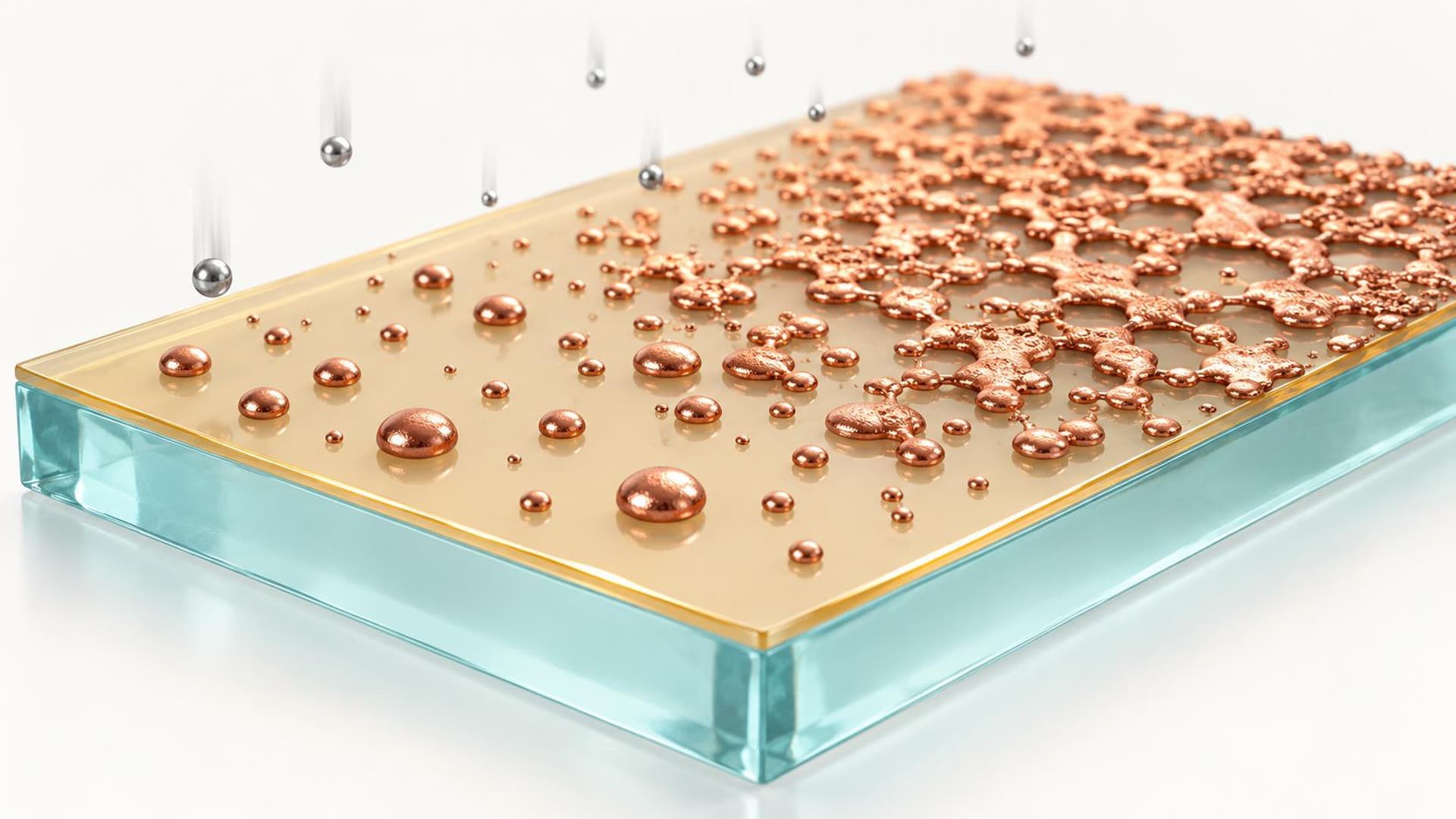
Biofouling roughens the hull and accumulates operating resistance, and supplying bubbles alone does not keep them on the wall. PDA anchors a PEI functional layer to the hull, and the positive charge of PEI serves both to suppress barnacle settlement and to keep negatively charged bubbles on the wall.
Conclusion
A ship's operating resistance builds up with the condition of its surface. When organisms such as slime and barnacles attach, surface roughness grows, raising both the propulsion needed to hold the same speed and the maintenance burden of cleaning and repainting. Bubbles are also used to reduce friction drag, but supplied bubbles are pushed off the wall by the relative flow and disperse. This document treats the time bubbles stay where they are needed, rather than the amount supplied, as the design variable, and proposes designing the device that makes bubbles together with the surface that holds them. The surface consists of two layers with separate roles. A thin PDA primer on the hull or existing coating acts as the adhesion and anchoring layer, and PEI is fixed and crosslinked on top to place positively charged amine groups at the water interface. The positive charge of the PEI surface serves two functions: the possibility, confirmed in literature, of suppressing barnacle larva settlement through surface charge control, and the working design of a Cools patent specification, in which negatively charged bubbles interact with the positively charged surface and are held on the wall. The aim is to limit the growth of roughness while maintaining effective bubble coverage. Bubbles are supplied actively with pumps or cavitation generators or passively with the ship's own flow or cavitators, discharged parallel to the surface or 0–30° downstream as in the specification's example, and the functional layer is concentrated downstream of the supply point. Application ties into the maintenance process of new and existing ships in the order of surface preparation, PDA then PEI formation, connection to the supply unit, and maintenance and renewal of function. The impact is presented as an economic scenario. For one ship with annual fuel costs of 10 billion won, net fuel savings of 5%, 10% and 15% after accounting for device operation and added resistance would save 0.5, 1.0 and 1.5 billion won a year, and a 10% saving across 100 ships would come to 100 billion won a year. The document states that these are illustrative calculations, not full-scale measurements or performance guarantees. The development path runs from surface performance checks to integrated tank testing, ship demonstration and wider application.
Topics
- Marine fuel saving